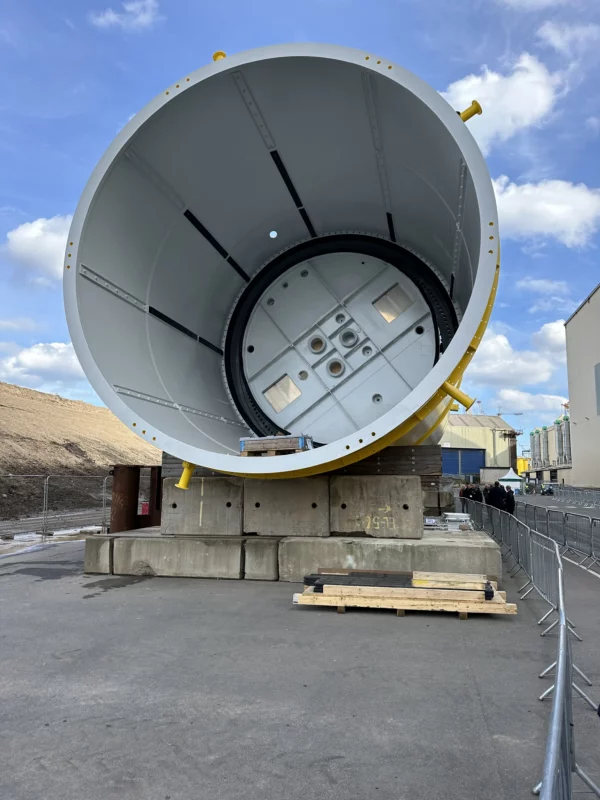
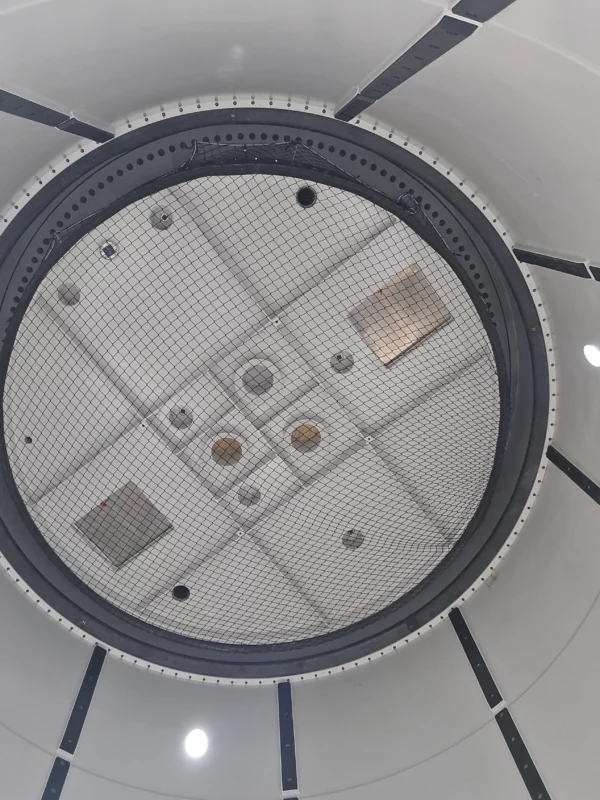
PE guidings — grade selected
Custom guide blocks and guiding components, machined to your drawing. Select the grade to suit friction, wear, loads and operating conditions; packed in sets for each transition piece.
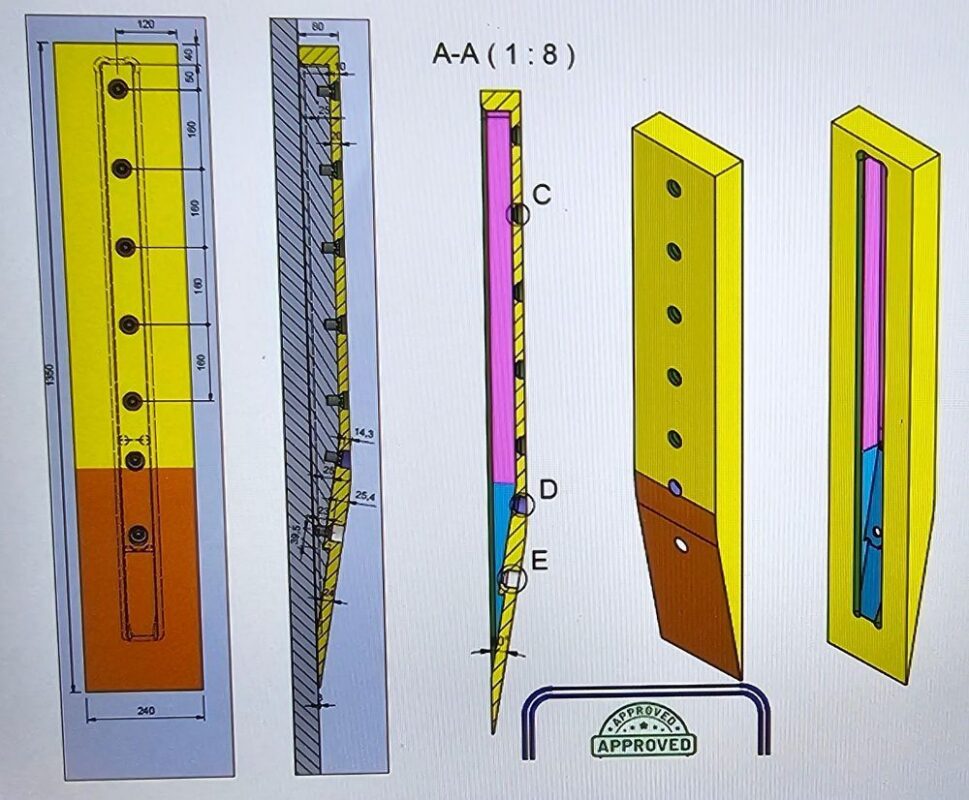
Engineering, prototyping, production and packing. All handled by U Plastics, from your drawing to numbered sets ready for installation.
We partner up with offshore companies in and outside of Europe.
Technical drawings and design support, from your requirements to production-ready drawing data.
3D-printed prototypes to test fit and function, then CNC machining, production and finishing.
Components packed in numbered sets per TP, so assembly on site follows the numbering.
Plastic offcuts are processed in-house into recycled PE. We are shareholder in a recycling partner.
Why plastics
A suitable polymer or elastomer can help address corrosion, friction, weight or sealing in non-structural components. Performance depends on grade, load, temperature, geometry, contact surface and exposure; confirm the choice against the actual duty.
PE and rubber materials do not rust like carbon steel, but seawater, chemical, UV and ozone resistance vary by grade. Check the supplied grade data and service medium.
The supplied PE sheets report densities of about 0.93–0.98 g/cm³. Compare the actual component design and weight rather than assuming a material-level saving.
The supplied data report dynamic friction of about 0.25 for PE 500 and no more than 0.1 for self-lubricating PE 1000, under the stated sheet test method. Validate the real contact pair and load.
U Plastics’ current page describes in-house reprocessing of plastic offcuts into recycled PE planks. Confirm recycled grade, traceability and suitability before specifying it for a component.
Components
Send your drawing, quantities and application requirements. We make the component to your dimensions.
Custom guide blocks and guiding components, machined to your drawing. Select the grade to suit friction, wear, loads and operating conditions; packed in sets for each transition piece.
Custom washers and spacers for your assembly, in the dimensions and quantities you need.
Rubber flange seals made to your required shape, hole pattern and thickness.
Closed-cell EPDM strips and pads, cut to size for installation beneath gratings. Each item numbered and packed in sets.
PROJECT ENQUIRY
Complete the three-step questionnaire to help our team understand your application and identify the appropriate next steps.
Design check
A well-developed design may still present fit or installation challenges in practice. Prototyping and testing help assess fit and function before series production begins.
Have several design ideas? We prototype the variants and compare them side by side.
3D-printed prototypes let you check clearance, fit and handling before we machine production parts.
We adapt the design after each test, so production starts from a checked design.
Technical details
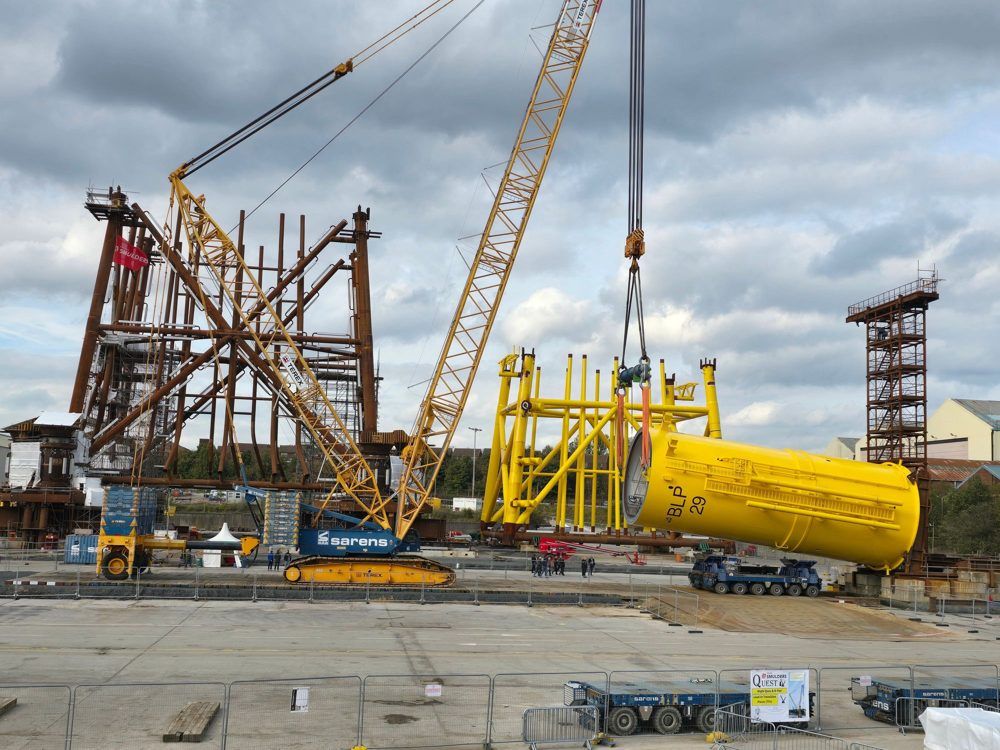
A transition piece (TP) connects the tower and monopile and supports equipment such as platforms, ladders, boat landings and cable entries. Material selection for guiding, sealing and protection should be checked against the drawing, load, temperature, exposure and installation conditions.
01
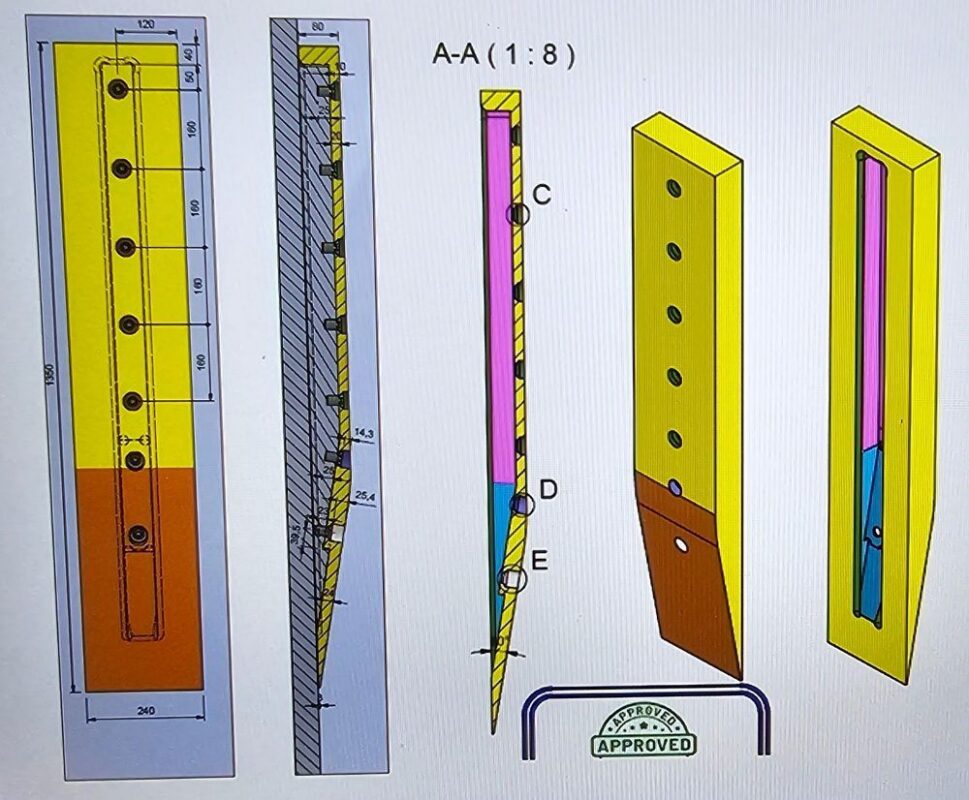
HDPE guidings are machined to your drawing and checked as a prototype before production starts.
02
Rubber components can seal joints and cushion contact points. The supplied EPDM sheet rates seawater resistance “Good” and ozone/UV resistance “Good to Perfect”, but rates oils, greases, fuels and lubricants “Not suitable”.
03
Components are numbered and packed per transition piece, following the assembly sequence on site.
| Property | HDPE guidings | Closed-cell EPDM |
|---|---|---|
| Typical use in a TP | Guide blocks and guiding components that position parts during installation | Strips and pads under gratings, flange gaskets and seals |
| Key properties | Grade-dependent; supplied PE 1000 sheet: dynamic friction ≤ 0.1; PE 500: ~0.25 (QTM 55007). Water absorption ≤ 0.01% in the PE 500/PE 1000 sheets. | Seawater: Good; ozone/UV: Good to Perfect; oils, greases, fuels and lubricants: Not suitable (supplied EPDM sheet). |
| Operating temperature | Confirm per PE grade; supplied sheets list grade-specific ranges. | EPDM sheet: −25 to +100 °C. |
| Packing | Numbered, packed per transition piece | Numbered, packed per transition piece |
General properties of the material types. Exact values depend on the grade and must be confirmed with the datasheet before specification.
Materials & technical data
These are selected values from the material sheets supplied by U Plastics. Choose one or more sheets to request them through the contact form; complete PDFs are not embedded in this concept and remain subject to approval before publication.
Polyethylene
Polyethylene
Self-lubricating polyethylene
Fluoropolymer
Engineering polymer
Elastomer
Elastomer
Select the materials above and prepare a request. The contact form is a non-connected prototype: this static page does not send or store your details, and it does not securely gate or deliver PDFs. Live release requires technical approval plus a server/CRM and controlled file-delivery integration.
Values are transcribed from the supplied sheets and are typical/indicative, not guaranteed specifications. Results may vary with thickness, processing and test conditions. Verify the current grade, test method and suitability with U Plastics before design release. The EPDM and neoprene sheets supplied do not automatically establish properties for cellular/foam grades.
Realisations
A selection of components and processes we make. Each card shows how a part is made, the material, and how it is supplied.
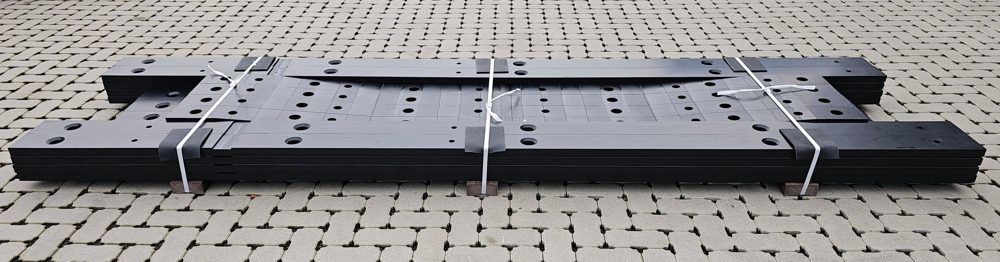
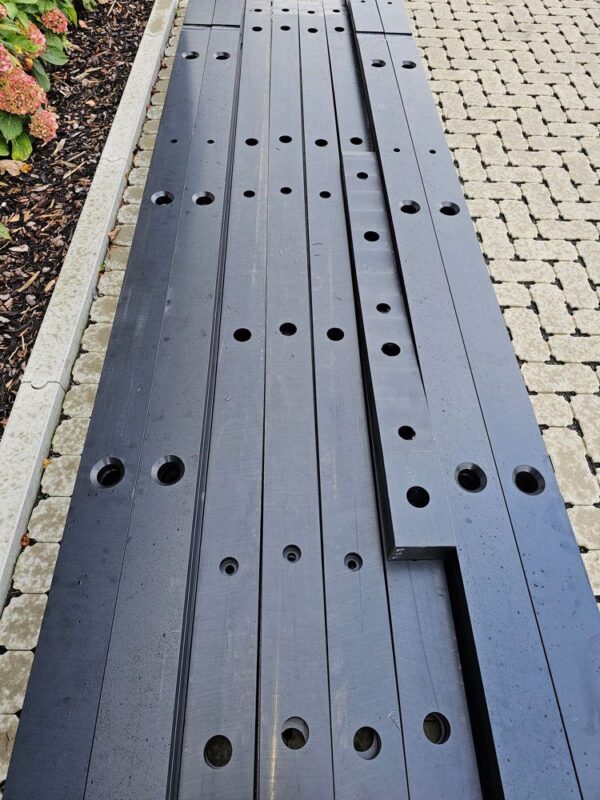
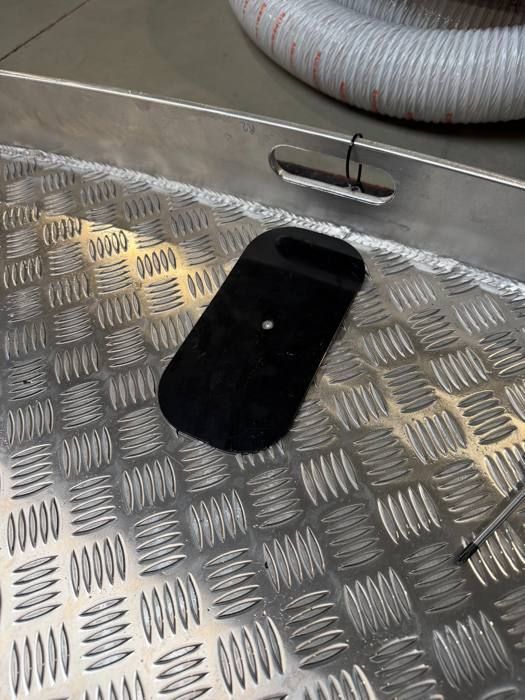
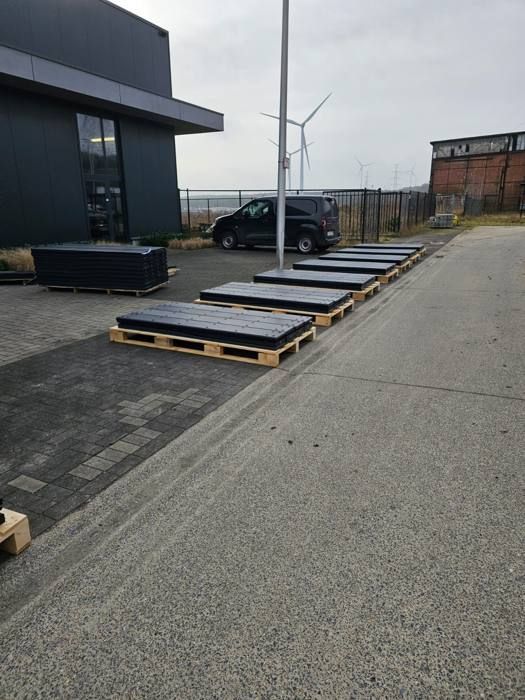
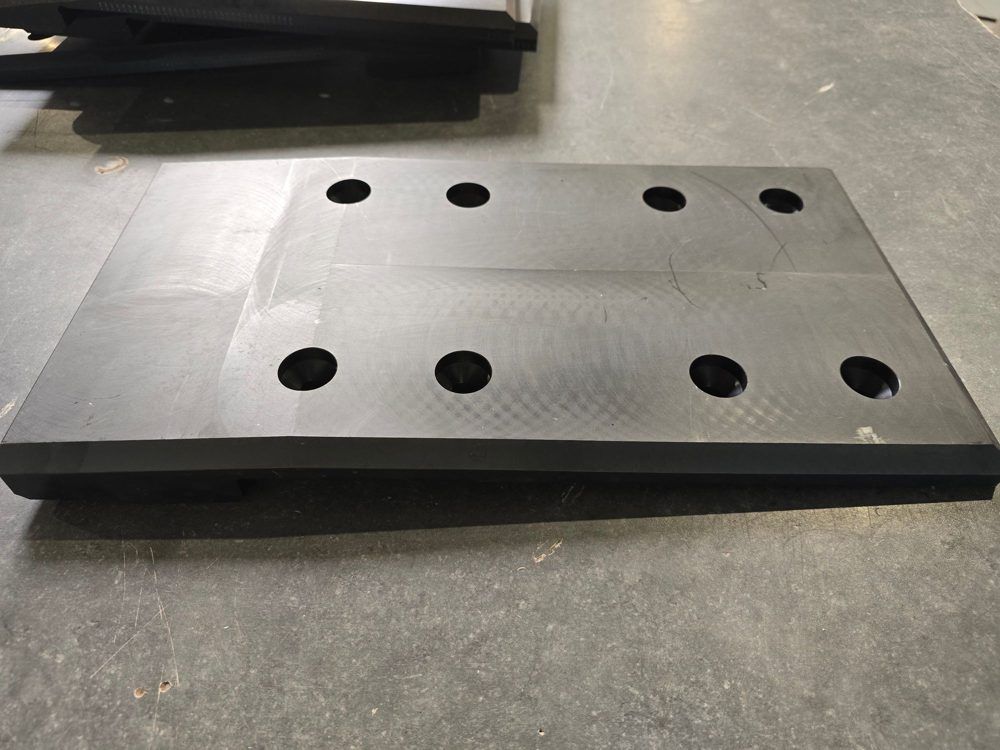
Black plate, machined to your drawing for fixing and guiding parts in a transition piece.
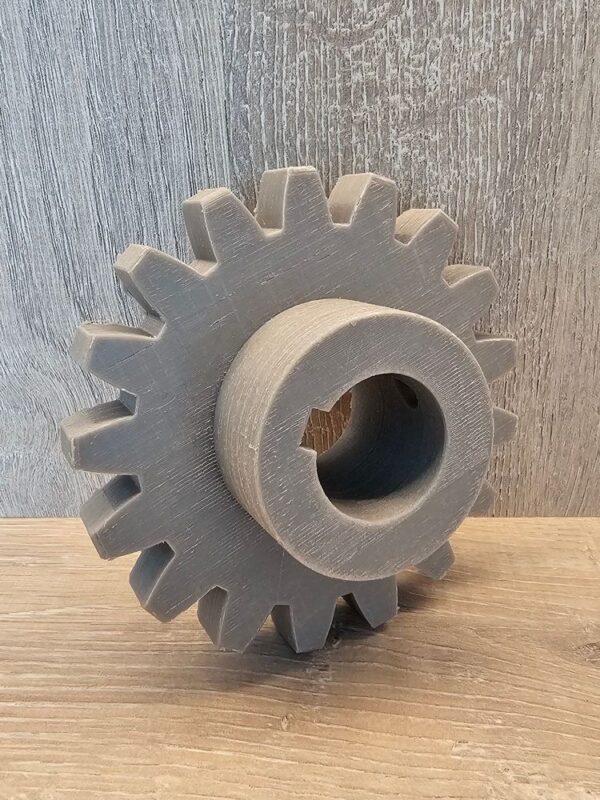
A gear with a machined bore and keyway, for drive or transmission parts.
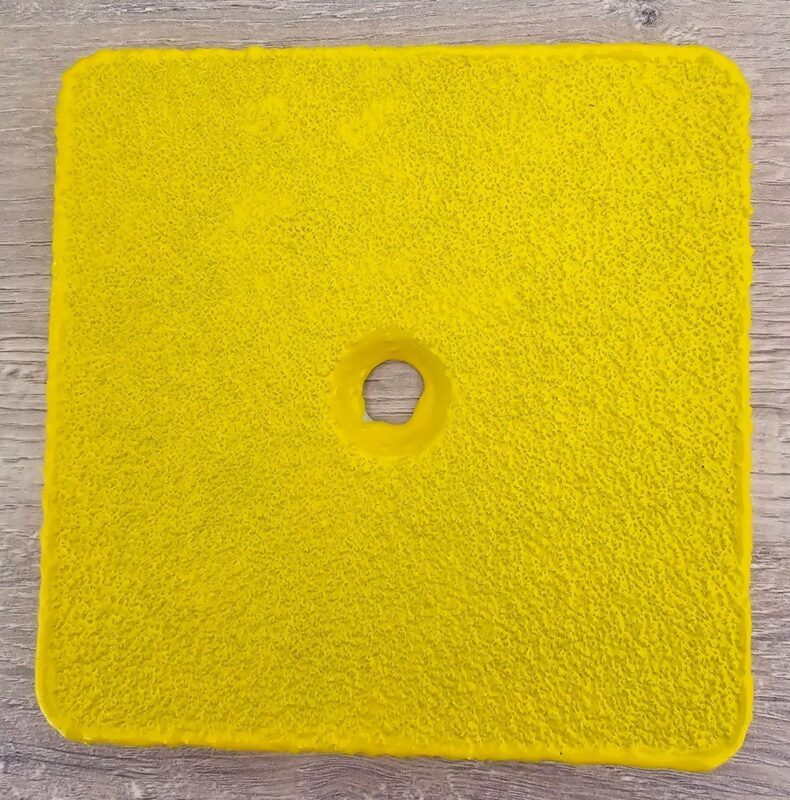
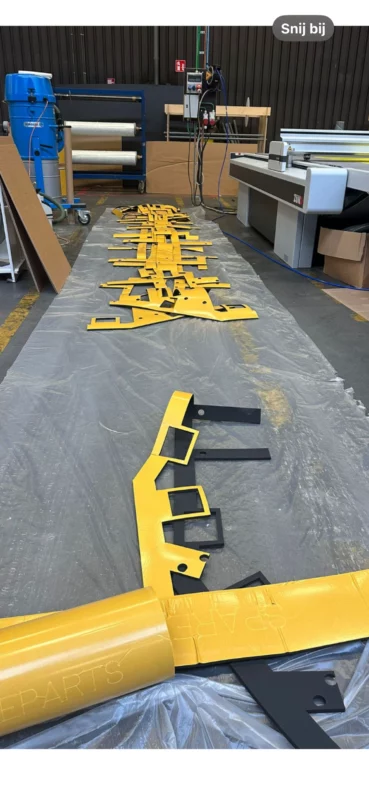
Duplex stainless steel fixing plate with a permanently applied anti-slip coating. Available in various colours, with yellow and black as the most common options.
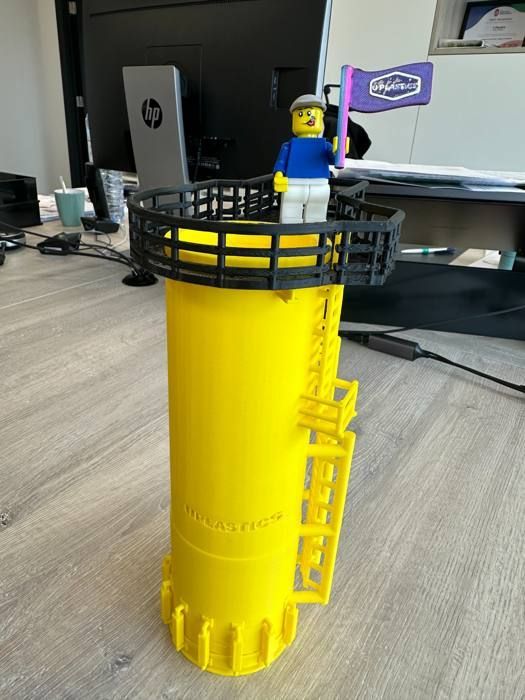
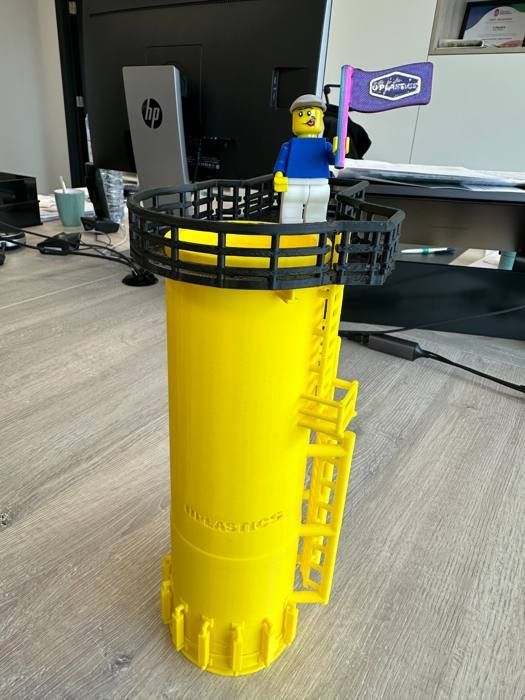
Printed prototype to check fit, clearance and handling before we machine production parts.
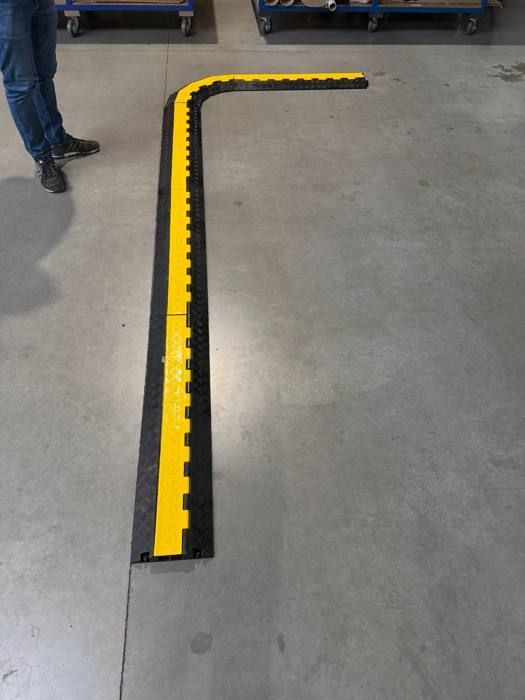
Protectors for routing and protecting cables.
Removable covers that protect openings and surfaces.
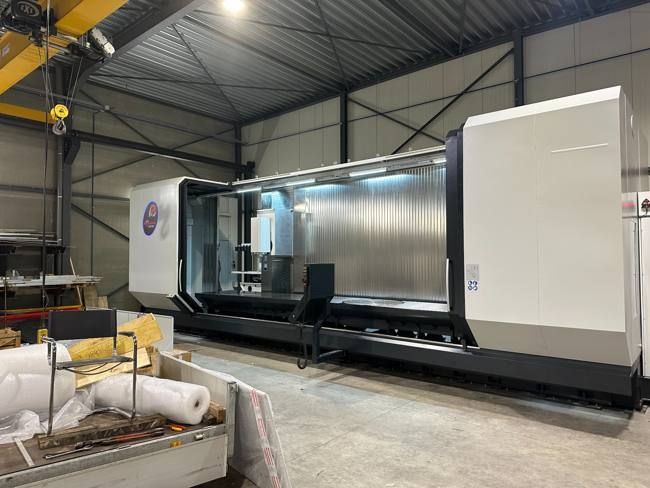
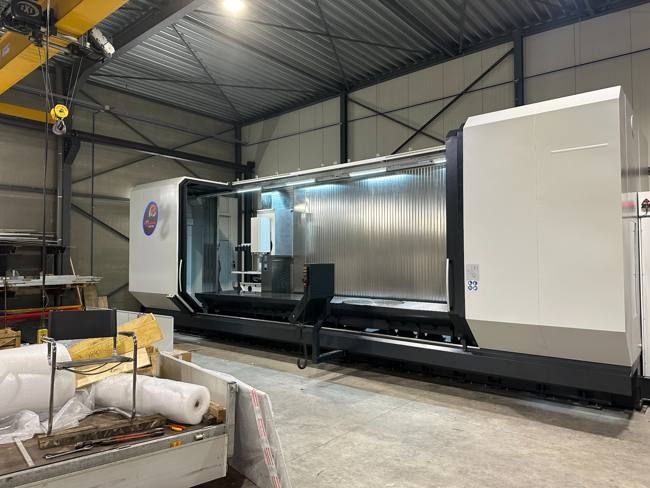
Long components on our CNC machining centre, from prototypes to series.
Components are packed and numbered per transition piece, so the site team can assemble in sequence.
Material grades and dimensions are confirmed per project against your drawing and the datasheet.
Process
Each step is set up so the component arrives ready to install.
Send us a sketch, a 3D file or an existing drawing. We turn it into a dimensioned technical drawing with section views and tolerances, and agree it with you before anything is made.
Before a series starts, we print a prototype in 3D to test fit, clearance and handling on the actual steel. After approval, production parts are machined from solid material on our CNC centre, which handles lengths up to 6 metres.
Every component is numbered and packed in sets for each transition piece. The numbering follows your assembly sequence, so the site team installs in order and does not have to search for parts.
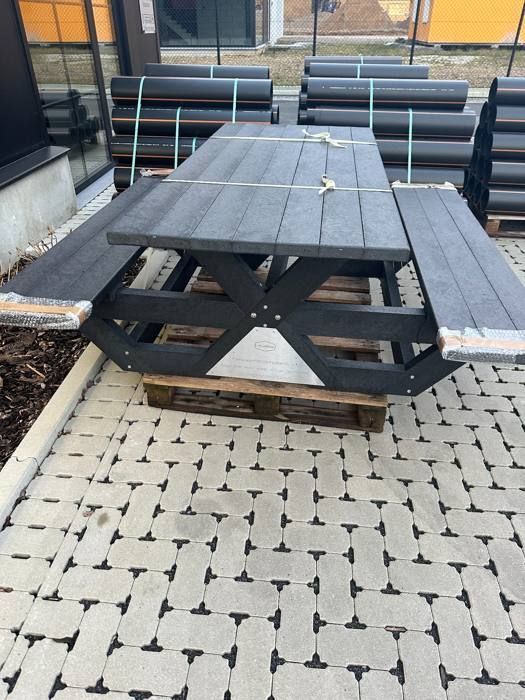
We process plastic waste and offcuts in-house into recycled PE planks, which we use to manufacture furniture. As a shareholder in Cuthings and Govaerts Recycling, we help build a closed plastics chain, from production waste back into new products.
Quality, traceable material and a circular approach, from the first drawing to the finished set.
Recognition & certification
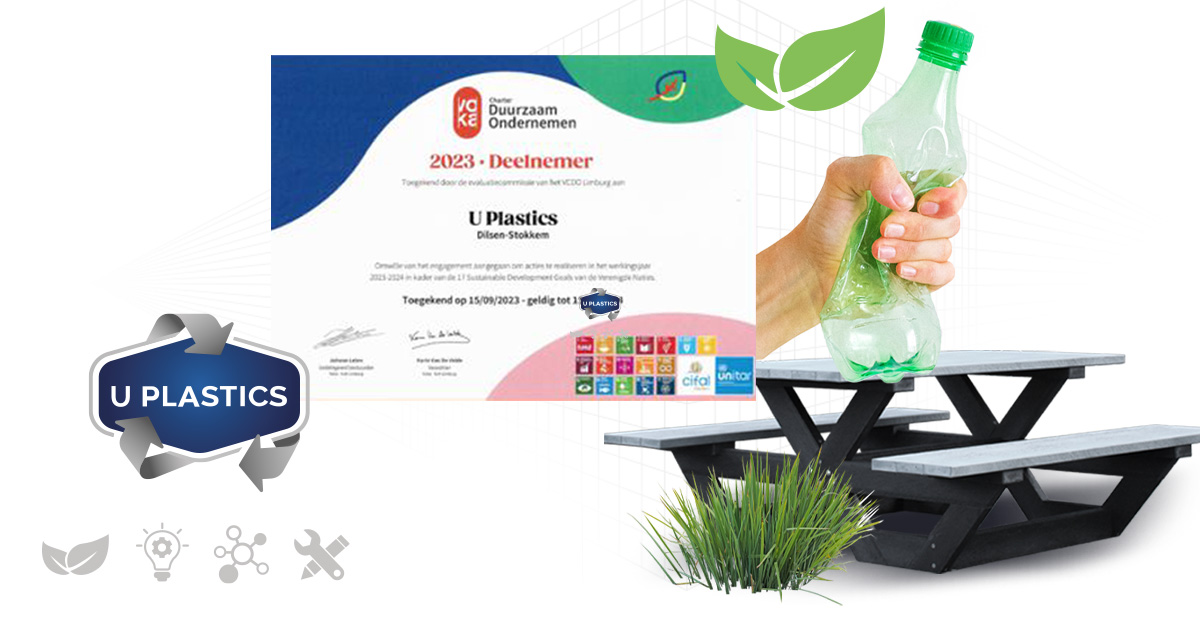
Two publicly reported milestones in U Plastics’ Voka Charter for Sustainable Entrepreneurship (VCDO) participation. These are sustainability recognitions, not ISO certifications.
U Plastics reported receiving a certificate as a VCDO participant in 2023.
Read U Plastics’ 2023 announcement
Voka Charter for Sustainable Entrepreneurship
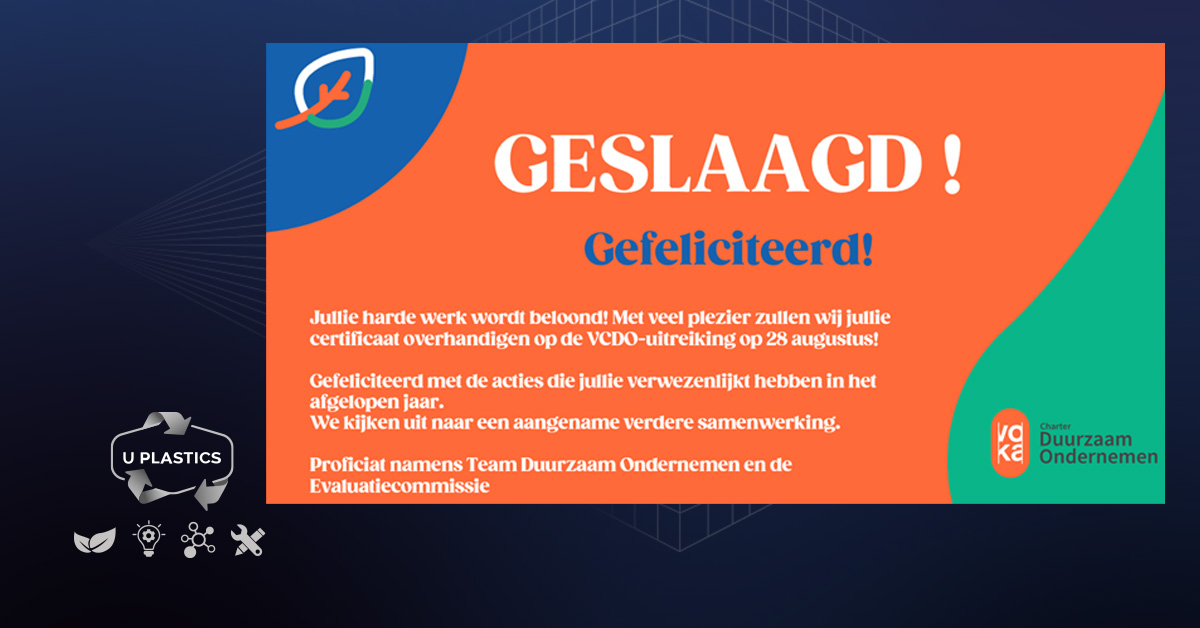
U Plastics reported successfully completing the VCDO in 2024.
Read U Plastics’ 2024 announcementNo ISO 9001 or other management-system certification is claimed in this concept. Add any other certificates only after confirming the certificate, scope, issuer and validity dates.
Contact
Prefer to talk it through? Call or email us directly, or send a short message below.
These sheets will be included when you submit the contact form below. Use the message field for additional questions.